Hiring a shipping container for the first time can feel overwhelming, but it doesn’t have to be. Whether you need extra storage space, a solution for an upcoming move, or a temporary on-site structure, container hire is one of the most flexible and cost-effective options available. Knowing what to look for before you commit saves you time, money, and unnecessary stress. As one of New Zealand’s most trusted shipping container suppliers, Boxman will walk you through everything a first-time hirer needs to know.
TL;DR
- Hire vs. Buy: Hiring is best for short-term or one-off needs, while buying makes more sense if you need a container long-term or for a permanent project.
- Size matters: The most common container sizes are 20ft and 40ft, knowing what you’re storing or transporting helps narrow down the right choice quickly.
- Always inspect on delivery: Before signing off, check the walls, floor, and roof for damage to avoid being held liable for pre-existing issues.
- Understand your insurance obligations: Most hire agreements require you to arrange your own insurance for goods stored or transported inside the container.
- Choose a local, reputable supplier: Working with an experienced company close to your site reduces delivery costs and ensures a smoother hire experience overall.
Hiring vs. Buying a Shipping Container
One of the first decisions you’ll face is whether to hire or buy. Boxman understands the right choice largely depends on how long you need the container and what you plan to use it for.
Hiring a shipping container means paying a weekly or monthly fee to use a container for as long as you need it. This is ideal when your need is temporary. Think short-term storage during a renovation, a seasonal business requirement, or a one-time move. You pay for what you need, return it when you’re done, and avoid the responsibility of long-term ownership.
Buying a shipping container means paying upfront to own the container outright. This makes financial sense if you need a container indefinitely. Owners have the freedom to modify, repurpose, or resell their container, making it a more versatile long-term investment. However, it comes with added responsibilities like maintenance, insurance, and finding a permanent place to keep it.
It’s worth noting that delivery and placement costs can apply to both hiring and buying. These costs may go up or down depending on your location and site access, so always factor them into your overall budget regardless of which option you choose.
For most first-timers with a specific, time-bound need, hiring is the simpler and more affordable starting point. Contact Boxman if you want to find out more about buying a container.
Container Types and Sizes
Shipping containers come in a wider variety than most people expect. Understanding your options upfront helps you avoid paying for more space than you need or worse, not having enough. Here are the most common shipping container size and types available from Boxman:
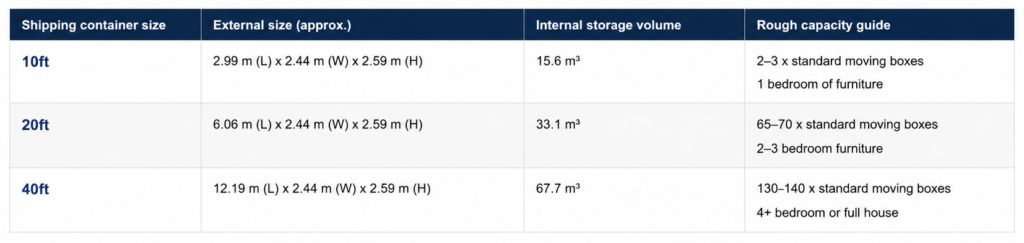
- Standard 20ft Container. The most widely available and commonly hired container size. A standard 20ft container offers a solid amount of floor space and is well-suited for general storage, moving furniture, or keeping tools and equipment secure on a worksite.
- Standard 40ft Container. Ideal when you need significantly more room. The 40ft container is a popular choice for larger moves, commercial storage, or when consolidating inventory. Like the 20ft, it’s readily available from most hire companies across New Zealand.
- High Cube Containers. Available in both 20ft and 40ft lengths, high cube containers offer an additional foot of height compared to standard containers. This makes them a great option when vertical space matters, such as storing tall equipment, bulky furniture, or items on pallets.
- Refrigerated Containers (Reefers). Designed to maintain controlled temperatures, refrigerated containers are the go-to solution for perishable goods, food storage, or any cargo that requires a consistent climate. These are commonly used in the food and pharmaceutical industries.
- Open Top Containers. These containers have a removable roof, making them ideal for loading oversized or irregularly shaped cargo that can’t fit through standard doors. Commonly used for machinery, timber, or large construction materials.
- Flat Rack Containers. With collapsible sides and no roof, flat rack containers are built for heavy or oversized loads such as vehicles, heavy machinery, or large structural components that need to be loaded from the side or top.
- Smaller Containers (6ft–10ft). A practical option for tight spaces or modest storage needs. These are typically cut down from larger containers, which can make them slightly more expensive per foot due to the additional labour involved but their compact footprint makes them ideal for residential properties or smaller sites.
When in doubt, size up, it’s far more convenient to have a little extra room than to run out of space mid-project.
Boxman’s Key Tips When Hiring a Container
Going in prepared makes the entire process smoother. Here are the most important things Boxman recommend to keep in mind when hiring a container:
- Plan your site in advance. Before the container arrives, make sure the delivery location is accessible for a large truck. Clear the area, confirm there’s enough turning space, and prepare a stable, level surface. Poor site access is one of the most common causes of delivery delays.
- Choose a local supplier. Hiring from a company close to your location reduces delivery costs significantly. Some suppliers offer free delivery within a set radius of their yard, so it’s worth comparing a few local options before committing.
- Verify the company’s reputation. Not all hire companies operate to the same standard. Look for established businesses with clear policies, transparent pricing, and positive customer feedback. Experience in the industry matters, it reflects in the quality of their containers and the reliability of their service.
- Confirm ISO certification if shipping overseas. If your container will be used for international transport, check that it meets ISO standard sizing. Many international transporters will refuse containers that don’t comply, which can cause costly delays.
- Understand your insurance obligations. Most hire agreements place the responsibility of the container’s contents insurance on you. Speak to your provider upfront and ensure you have adequate cover for the goods stored or transported inside.
- Inspect the container on delivery. Before the delivery driver leaves, do a thorough check inside and out. Look for holes, rust, damaged seals, and soft spots in the flooring. In daylight, any gaps or holes will be visible as light filtering through. Document anything unusual immediately to avoid disputes later.
Hiring a Shipping Container with Boxman
Boxman services container hire across New Zealand, covering major cities like Auckland and Wellington through to more rural and regional areas. Availability, delivery costs, and turnaround times can vary depending on your location, so planning ahead is always recommended.
When hiring locally, compare quotes from multiple suppliers and factor in the full cost including delivery, pickup, and any applicable insurance. Some companies include delivery within a certain distance, while others charge separately, so read the fine print carefully.
New Zealand’s varied terrain also means site preparation is particularly important. Whether you’re placing a container on a flat urban driveway or a rural property, ensuring a firm and level surface prevents problems down the track.
With Boxman and a little preparation, hiring a shipping container in New Zealand is a straightforward, secure, and highly practical solution. Whether you need it for a week, a month, or longer.